Obesity Surgery Center
A Scientific and Sustainable Step Toward a Healthier Life Obesity is not merely an aesthetic concern; it is a chronic and progressive disease that can lead to serious health conditions such as diabetes, hypertension, cardiovascular diseases, joint disorders, and sleep apnea. When lifestyle modifications and medical treatments fail to achieve lasting results, obesity surgery emerges as a scientifically proven and highly effective treatment option. The Başkent University Konya Application and Research Center – Obesity and Metabolic Surgery Center brings together advanced surgical techniques, a multidisciplinary approach, and strong academic expertise to provide patients with safe, durable, and personalized treatment solutions.
What Is Obesity? Obesity is a medical condition characterized by excessive fat accumulation that negatively affects overall health. The most commonly used diagnostic parameter is the Body Mass Index (BMI). • BMI ≥ 30 kg/m²: Obesity • BMI ≥ 35 kg/m² with comorbidities: Severe obesity • BMI ≥ 40 kg/m²: Morbid obesity
Who Is Eligible for Obesity Surgery? Obesity surgery is not suitable for every patient. At our center, all candidates undergo a comprehensive and detailed evaluation process. General eligibility criteria include:
• Patients with a BMI of 40 or higher
• Patients with a BMI between 35–40 accompanied by obesity-related conditions such as diabetes, hypertension, or sleep apnea
• Individuals who have not achieved sustainable weight loss through diet, exercise, or medical therapy
• Patients who are willing and able to comply with long-term lifestyle and nutritional changes after surgery The final decision is made following evaluations by the surgical team, endocrinology (when indicated), dietitians, and psychological assessment. Are There Specific Requirements for Obesity Surgery? Yes. To ensure patient safety and long-term success, obesity surgery is planned according to well-defined medical and clinical criteria. All patients undergo a thorough preoperative assessment. This evaluation includes:
• Comprehensive internal medicine and general surgery assessment
• Upper gastrointestinal endoscopy
(to assess the structural condition of the stomach and esophagus, and to identify conditions such as reflux, gastritis, or ulcers)
• Necessary laboratory tests and imaging studies
• Anesthesiology evaluation
• Dietitian consultation with detailed nutritional assessment
• Psychological evaluation, when required All findings are reviewed holistically to determine surgical suitability. The goal is not merely to perform surgery, but to safely apply the most appropriate surgical technique to the right patient at the right time. Surgical Procedures Performed At our center, the following procedures are successfully performed using minimally invasive laparoscopic techniques, tailored to each patient’s individual needs:
• Sleeve Gastrectomy (Gastric Sleeve)
• Gastric Bypass
• Metabolic Surgery (focused on Type 2 diabetes) The choice of procedure is determined by the patient’s age, weight, associated medical conditions, and lifestyle factors. Postoperative Process How Long Is the Hospital Stay?
• Most patients are discharged within 2–4 days.
• Return to daily activities is typically possible within 1–2 weeks, depending on individual recovery. How Much Weight Is Lost and Over What Timeframe? Weight loss varies by individual; however, on average:
• 30–40% of excess weight may be lost within the first 3 months
• 50–60% of excess weight within 6 months
• Up to 70–80% of excess weight within 12 months Long-term success is closely linked to dietitian follow-up and patient adherence to lifestyle recommendations. Multidisciplinary and Academic Team At the Başkent University Konya Obesity and Metabolic Surgery Center, treatment is delivered through a coordinated, multidisciplinary team approach. Our team includes: • Experienced General Surgeons
(specialized in obesity and laparoscopic surgery)
• Anesthesiology and Reanimation Specialists
• Dietitians
• Psychologists
• Highly trained operating room and ward nurses
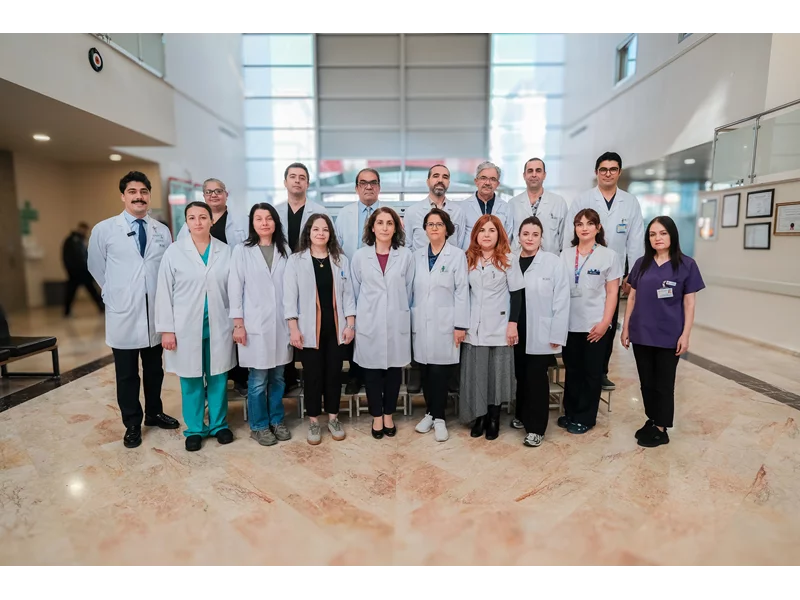
• International patient and clinical coordination team Together, this team provides an integrated care pathway covering the entire process from preoperative evaluation to long-term postoperative follow-up. Through this comprehensive approach, patients are supported not only in achieving weight loss, but also in attaining a healthy, balanced, and sustainable lifestyle transformation. Why Choose Başkent University Konya Obesity Center?
• Strong academic infrastructure and university hospital assurance
• High patient safety standards
• Personalized treatment and follow-up programs
• Extensive international patient experience
• Long-term postoperative monitoring and support